Intelligence
Inspectors general flag overclassification as intelligence agencies deny most FOIA requests
Public inspector general and oversight reports have for years described overclassification inside the intelligence community. Agency Freedom of Information Act statistics show national-security exemptions used to withhold records in a majority of cases.
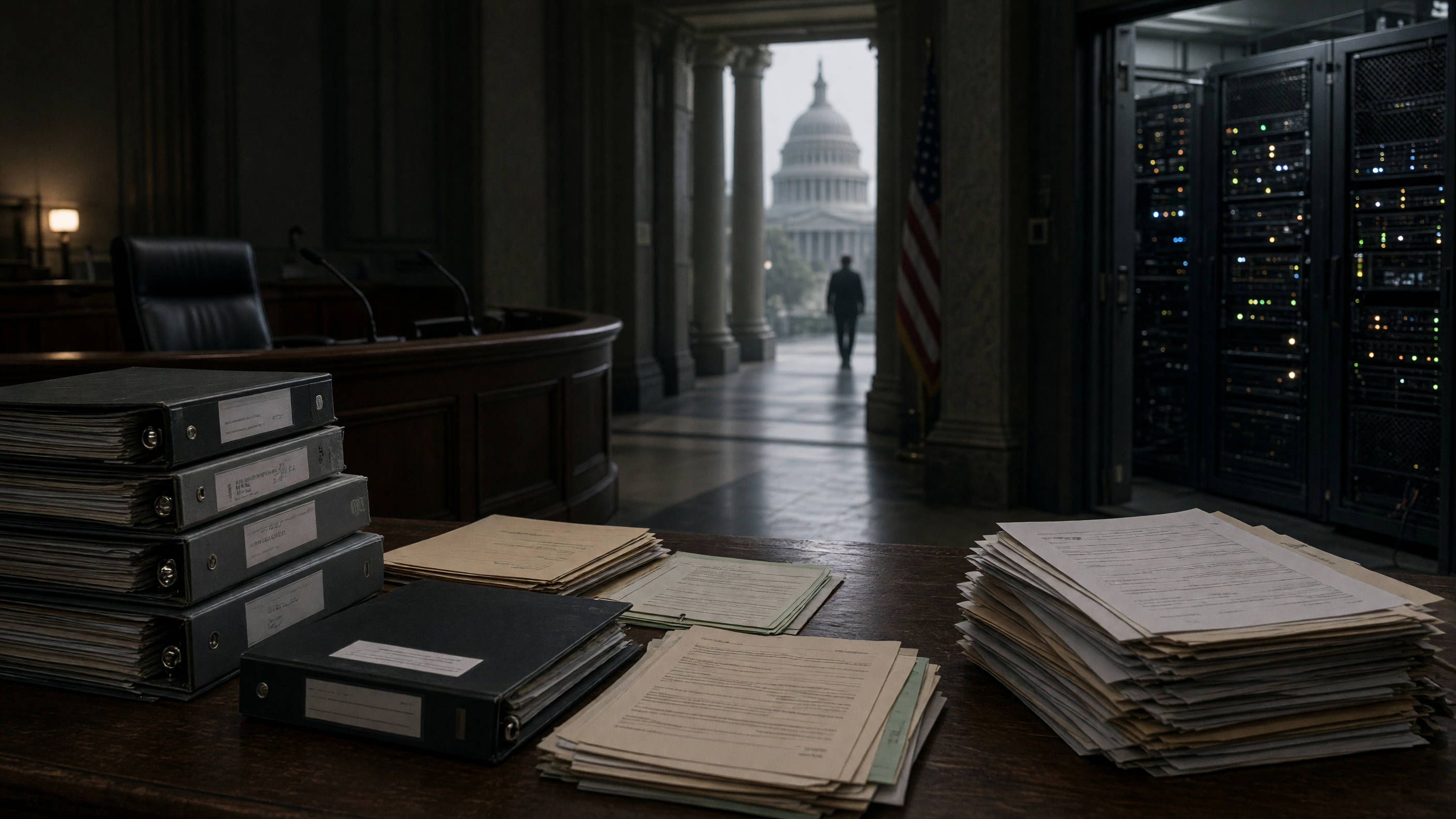
The Intelligence Community Inspector General and the Information Security Oversight Office have, in successive public reports, described classification as excessive, inconsistent, and poorly audited. Those findings sit beside Freedom of Information Act data published by the Department of Justice and the agencies themselves. The record shows spy agencies citing Exemption 1—classified national-security information—to deny or heavily redact a large share of requests.
ISOO, housed at the National Archives and Records Administration, reports annually on original and derivative classification decisions government-wide. Its public tallies have for more than a decade shown millions of derivative markings each year, many generated by intelligence components. Inspectors general have written that derivative classifiers often lack training, that duration markings are routinely set at the maximum, and that declassification reviews lag. The IC IG has stated in unclassified summaries that overclassification impedes information sharing, congressional oversight, and public accountability.
Agency FOIA reports, filed with the Justice Department’s Office of Information Policy, show the practical effect. The Central Intelligence Agency, the National Security Agency, and the Office of the Director of National Intelligence regularly report full or partial denials in well over half of processed requests. Exemption 1 is among the most frequently invoked. The same reports list Glomar responses—neither confirming nor denying the existence of records—as a recurring outcome when the subject touches sources, methods, or covert action.
Public dockets in federal district courts illustrate the pattern. Requesters, including news organizations and historians, have sued after agencies withheld entire files on historical covert operations, drone strikes, and surveillance programs. Courts have, in some cases, ordered in-camera review and later released portions that agencies had marked classified. Those rulings, according to the opinions themselves, sometimes found that the withheld material did not meet the standards of Executive Order 13526.
Budget documents submitted to Congress show the scale of the classification apparatus. The intelligence community’s public budget justifications describe classification management, special-access programs, and records-review staff as recurring line items. Inspectors general have noted that the cost of safeguarding, storing, and later reviewing classified material is substantial, yet the same reports say agencies have not produced reliable metrics on how often markings are later determined to have been unnecessary.
The 9/11 Commission, in its public report, already warned that overclassification hindered analysis. Subsequent IC IG and Government Accountability Office products repeated the point. GAO has testified that agencies lack systematic quality control for classification decisions and that derivative classifiers often copy markings without independent review. Those findings remain in the public record even as FOIA denial rates have stayed high.
Exemption 3 statutes—other laws that authorize withholding—appear alongside Exemption 1 in the same annual FOIA reports. The National Security Act and various intelligence authorization acts are cited. The result, according to the published statistics, is that many requests never reach a declassification review. Agencies instead assert that the records are exempt by statute or that their existence cannot be confirmed.
Congressional intelligence committees receive classified briefings, but their public statements and the unclassified portions of authorization bills have repeatedly called for reduced classification and faster declassification of historical files. The Public Interest Declassification Board, whose reports are also public, has described a backlog measured in hundreds of millions of pages and a culture that defaults to classification.
FOIA processing times published by the agencies themselves often stretch past the statutory twenty-day window, sometimes into years for complex intelligence requests. Backlog figures appear in the same Justice Department compilations. Inspectors general have linked those delays in part to the volume of classified material that must be reviewed page by page.
No public IC IG report claims that every denial is unjustified. The reports instead describe systemic over-marking, inadequate training, and weak challenge procedures. Employees who question a marking, according to those unclassified summaries, face bureaucratic friction. The same documents note that original classification authorities remain concentrated in a relatively small number of senior officials, while derivative markings proliferate.
Court records show that some requesters eventually obtain documents years after the original denial, once a judge or an appeals panel orders a more granular review. Those released pages sometimes contain information already in the public domain or material whose sensitivity has clearly lapsed. The agencies, in their public court filings, continue to defend the original markings as proper at the time they were applied.
The contrast in the public record is therefore numerical and institutional. Oversight bodies document overclassification as a persistent management failure. FOIA statistics document that the same agencies withhold or redact the majority of requested intelligence records on national-security grounds. Both sets of documents are unclassified, published, and available for comparison. The institutions named—IC IG, ISOO, CIA, NSA, ODNI, DOJ OIP, and the federal courts—have not reconciled the two pictures in any comprehensive public accounting.